
It’s easy in IT to see a large IT invoice and think something needs to be done about it, but have you ever stopped to think about how much lost productivity is costing your business? Chances are, it’s even more than what it costs to receive IT support. Today, we’re exploring this invisible tax you pay due to poor IT performance (and what you can do to stop it).
415 IT Blog
Moving to the cloud is supposed to be the action any business can take to help them scale aggressively. For most companies, it comes with a fair amount of waste. Imagine signing up for a pay-as-you-go gym, but they keep charging you for classes you forgot to cancel and lockers you aren't using. That’s effectively what cloud waste is; a sad, empty locker you pay for.
You want to know what’s scary? Anytime your company’s IT fails and you’re left wondering if you can afford a new piece of hardware or the maintenance to fix what’s broken. When you rely on break-fix IT, you’re basically living in a horror film; you never know when the slasher is going to leap out of the shadows and strike. With managed IT, you can sidestep the scaries and know with confidence you’re taking care of your business’ future.
Here are three reasons why managed IT is the superior option for managing your technology solutions.
As the backbone of modern business, an effective technology department is less of a cost center and more of an essential investment. But what exactly makes up those line items in your IT budget?
Understanding the different categories of IT expenses is crucial for strategic planning, controlling costs, and demonstrating the true value of IT to the rest of the organization. Let's break down the major types of expenses that form a comprehensive IT budget.
Most of us have at least heard that an ounce of prevention is worth a pound of cure. In other words, proactivity is pretty much always the better strategy. Despite this, we’ve observed that many businesses still avoid investing in their IT until something breaks—the exact opposite of proactivity—and wind up losing in terms of downtime, recovery time, and reputation, along with the financial implications these factors introduce.
This is precisely why we’ve designed our services to serve as preventative measures against the root causes of downtime, helping you be more proactive and reduce overall costs.
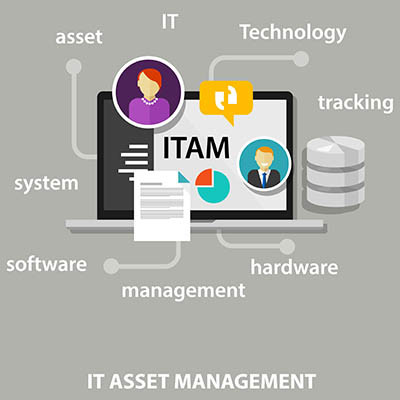
How much control do you really have over your IT assets? Oftentimes, businesses will consider other priorities, like sales, operations, and customer service, before they focus on IT systems and resources. The problem with this is that it creates a significant burden for your business, both in terms of the hidden financial drains and serious security vulnerabilities that undermine your business’ stability.
In the movie Moneyball, Billy Beane and the Oakland A's changed baseball forever. Faced with a tiny budget in the early 2000s, Beane ignored traditional scouting and used data to find talented, undervalued players. This sabermetrics approach allowed a small-market team to consistently beat rivals with much bigger budgets, proving that data, not just money, can lead to success.
Today, those same principles apply to every business. In a competitive world, companies of all sizes and industries can use data to make smarter decisions, optimize resources, and build a stronger business for less.
Does your business really still use that old fax machine? Chances are, it’s just taking up space and costing your business valuable time, money, and resources that would be better spent elsewhere. Let’s look at how a fax machine can actively hold your business back, both in terms of operations and budget.
The more you’ve invested in anything, the more critical it feels for you to get a return on that investment. So, what happens if you keep pouring money into these efforts in the hope that it will eventually work out in your favor?
These kinds of skewed choices come about thanks to the sunk cost fallacy—the tendency human beings have to be swayed toward illogical decisions based on what we’ve already spent.
Let’s discuss how to avoid this in your business by working through the logic, free of the emotional context that the sunk cost fallacy introduces.
Surprises can be exciting, but one part of your business where you don’t want them is in your IT. A server crash, a wireless connectivity outage, or a security threat can all create multiple surprise problems that you simply aren’t ready to handle—particularly in the realm of your wallet. Instead of spinning the wheel and gambling on your IT bill, you can instead treat your IT like a predictable utility cost, and it’s all thanks to proactive managed IT services.
Do you have your finger on the pulse of your business’ subscriptions? Not many business owners do, and it can negatively impact operations and budget lines. This tech sprawl can get out of control, which is why your business needs a plan to combat it. Thankfully, we’re here to help you get your subscriptions under control… both the known and the unknown.
In business, it’s tempting to think, if it's not broken, don't fix it. This is especially true for technology. Your computers turn on, emails go out, and things seem to work… so why bother with constant maintenance?
What if I told you this safe approach is actually draining your profits? It’s a hidden expense, and understanding it can completely change how you see your IT.
Nothing is more frustrating than when technology should work, but doesn’t for any number of reasons. Of course, it’s also expensive when your technology doesn’t work, which means you’re incurring costs during this downtime period. Today, we want to address the consequences of downtime and what you can do about it to minimize its impact on your business.
One of the most asked questions we get is “How can you help us save money?” It’s the priority for anyone looking to outsource anything. So, naturally it has to be one of the first questions answered. In today’s blog, we’ll go through three ways that our brand of managed IT services functions to save our clients money.
As a provider of information technology services and support, a big part of our job is helping the businesses we work with make the best decisions regarding their critical IT. This responsibility means we often provide an advisory role to business leaders.
In that role, we strongly advise that you make any intended technology purchases and upgrades right now… because if you wait, you may have no good options left.
Funerals are never to be taken lightly, which makes it all the worse that there are people out there willing to use these events to scam those in grief. Recently, Facebook has seen many groups that supposedly offer links to streamed funerals in exchange for credit card data, with different events being added more recently.
If your business is looking to cut costs, one area to focus on is printing. While paper documents have traditionally played a significant role in business operations, they can consume a lot of office space and are challenging to manage efficiently. Let’s explore how you can reduce your printing expenses and streamline your document management processes.
A successful business thrives on building beneficial relationships, which generates a lot of data and contracts that need to be efficiently shared and stored. While this might seem straightforward, leveraging today’s technology can significantly cut down on filing costs and enhance file-sharing efficiency. Let’s explore how.